
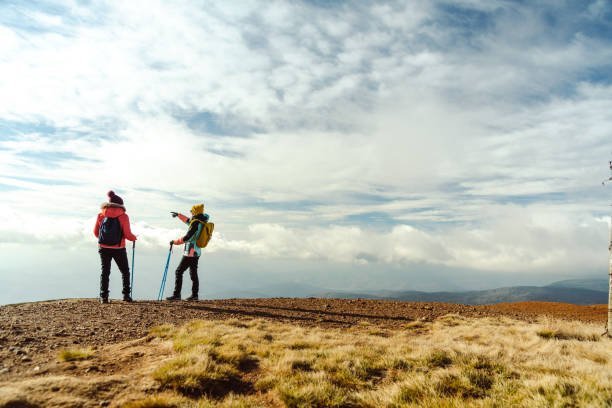
Imagine a natural amphitheater where the walls rise 600 meters above a floor teeming with wildlife. Imagine a place where you can see the Big Five in a single morning, where lions roam freely, elephants graze in swamps, and the endangered black rhino finds sanctuary. This is not a dream. This is the Ngorongoro Crater.
Formed over two million years ago when a massive volcano collapsed inward, the Ngorongoro Crater is often called the Eighth Wonder of the Natural World. And once you visit, you will understand why. No other place on Earth concentrates so much wildlife in such a breathtaking setting.
At Home of Wonders Tours, we have guided thousands of travelers into this natural wonder. Every descent into the crater feels like the first – filled with anticipation, wonder, and the promise of unforgettable encounters.
What Makes Ngorongoro Crater So Special?
The crater is unique for several reasons. First, its size. At 19 kilometers wide and covering 260 square kilometers, it is the largest unbroken, inactive volcanic caldera on Earth.
Second, its walls. Rising 400 to 610 meters from the crater floor, these steep slopes create a natural enclosure. Animals can enter and exit freely, but most stay within this fertile paradise year-round.
Third, its permanent water. The crater floor has several springs and swamps that never dry up, ensuring wildlife is present throughout the year, even during the driest seasons.
Fourth, its density. With approximately 25,000 large animals living within the crater walls, you will see more wildlife in a few hours here than in days elsewhere.
The Wildlife of Ngorongoro Crater
The crater is famous for its incredible concentration of animals. Let us explore what you can expect to see.
The Big Five
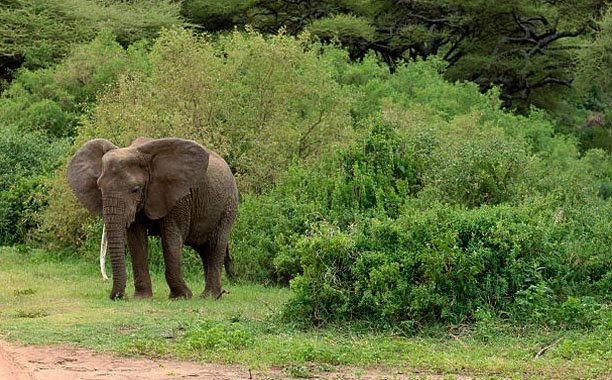
Ngorongoro is one of the few places in Africa where you can realistically see all of the Big Five in a single game drive.
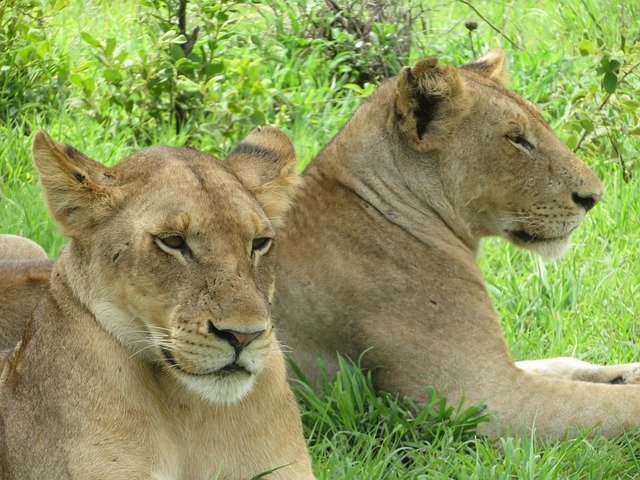
Lions: The crater has one of the highest densities of lions in Africa. Prides are large, often numbering fifteen to twenty individuals. You will see them lounging in the grass, stalking prey, or resting after a successful hunt. The crater lions are accustomed to vehicles, allowing for exceptional photography.
Elephants: Large bulls roam the crater floor, often with magnificent tusks. They are most commonly seen in the swamps and forests, where they feed on grasses and bark.
Buffalo: Massive herds of Cape buffalo gather on the crater floor, sometimes numbering in the hundreds. They are often accompanied by oxpeckers riding on their backs.
Leopards: While more elusive than lions, leopards are present in the crater. Your best chance is near the Lerai Forest, where they hide in the trees during the day.
Black Rhinos: This is perhaps the crater's greatest treasure. The Ngorongoro Crater is one of the best places in East Africa to see the endangered black rhino. They are protected around the clock by armed rangers, and sightings, while never guaranteed, are more common here than almost anywhere else.
Other Mammals
Beyond the Big Five, the crater teems with life.
Hippos: The Gorigor Swamp is home to a large hippo pool, where dozens of these massive creatures wallow, grunt, and occasionally emerge to graze at night.
Spotted Hyenas: The crater has a large hyena population. You will see them resting in the grass, scavenging kills, and raising their cubs in dens along the crater walls.
Cheetahs: Less common but present, cheetahs hunt on the open grasslands of the crater floor.
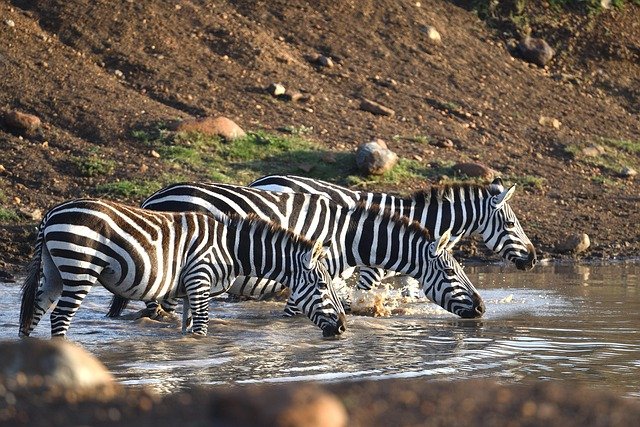
Zebras and Wildebeest: Thousands of zebras and wildebeest graze on the crater floor, providing prey for the predators.
Gazelles: Both Thomson's and Grant's gazelles are common, their graceful leaps a constant delight.
Golden Jackals and Bat-eared Foxes: These smaller predators are often seen hunting for rodents and insects.
Birdlife in the Crater
Bird lovers will be in paradise. Over 500 bird species have been recorded in the Ngorongoro Conservation Area.
Flamingos: The crater's soda lakes, particularly Lake Magadi, are often tinged pink with thousands of lesser flamingos. The contrast between the pink birds, the white soda, and the green water is unforgettable.
Ostriches: The world's largest bird is common on the crater floor. Watch for their elaborate mating displays.
Kori Bustards: These heavy-bodied birds are the largest flying birds in Africa. They walk slowly through the grass, hunting for insects and small animals.
Crowned Cranes: These elegant birds with golden crowns are a favorite among photographers.
Secretary Birds: These unique birds hunt snakes on foot, striding through the grass with their long legs.
Birds of Prey: Augur buzzards, tawny eagles, and Verreaux's eagles soar above the crater walls, always watching.
The Landscapes of Ngorongoro
The crater is not just about wildlife. The landscapes themselves are breathtaking.
Lake Magadi: This shallow soda lake in the southwestern corner of the crater is often dry, but when water is present, it attracts flamingos and other waterbirds. The white soda crust sparkles in the sunlight.
Gorigor Swamp: A permanent wetland fed by springs from the crater wall. This is where you will find hippos, elephants, and a variety of waterbirds.
Lerai Forest: A dense forest of yellow-barked acacias and fever trees. This is the best place to look for leopards and elephants.
The Crater Rim: Standing on the rim at sunrise is a spiritual experience. The mist rises from the crater floor, the walls glow orange and gold, and the world feels infinite.
The Viewpoints: Several viewpoints along the crater rim offer spectacular photo opportunities. The most famous is the viewpoint at the descent road, where you can see the entire crater spread before you.
The Maasai of Ngorongoro
The Ngorongoro Conservation Area is unique in Tanzania because it allows human habitation. The Maasai people have lived in harmony with wildlife here for centuries.
As you drive through the conservation area, you will see Maasai in their traditional red shukas, herding cattle alongside zebras and wildebeest. Visiting a Maasai village is a cultural experience not to be missed.
You will learn about their traditions, their relationship with cattle, their warrior culture, and their adaptation to the modern world. The Maasai are warm and welcoming, and they are proud to share their heritage.


 Cookies Consent