
Introduction: Discover the Best Kilimanjaro Routes for Your Tanzania Climbing Adventure
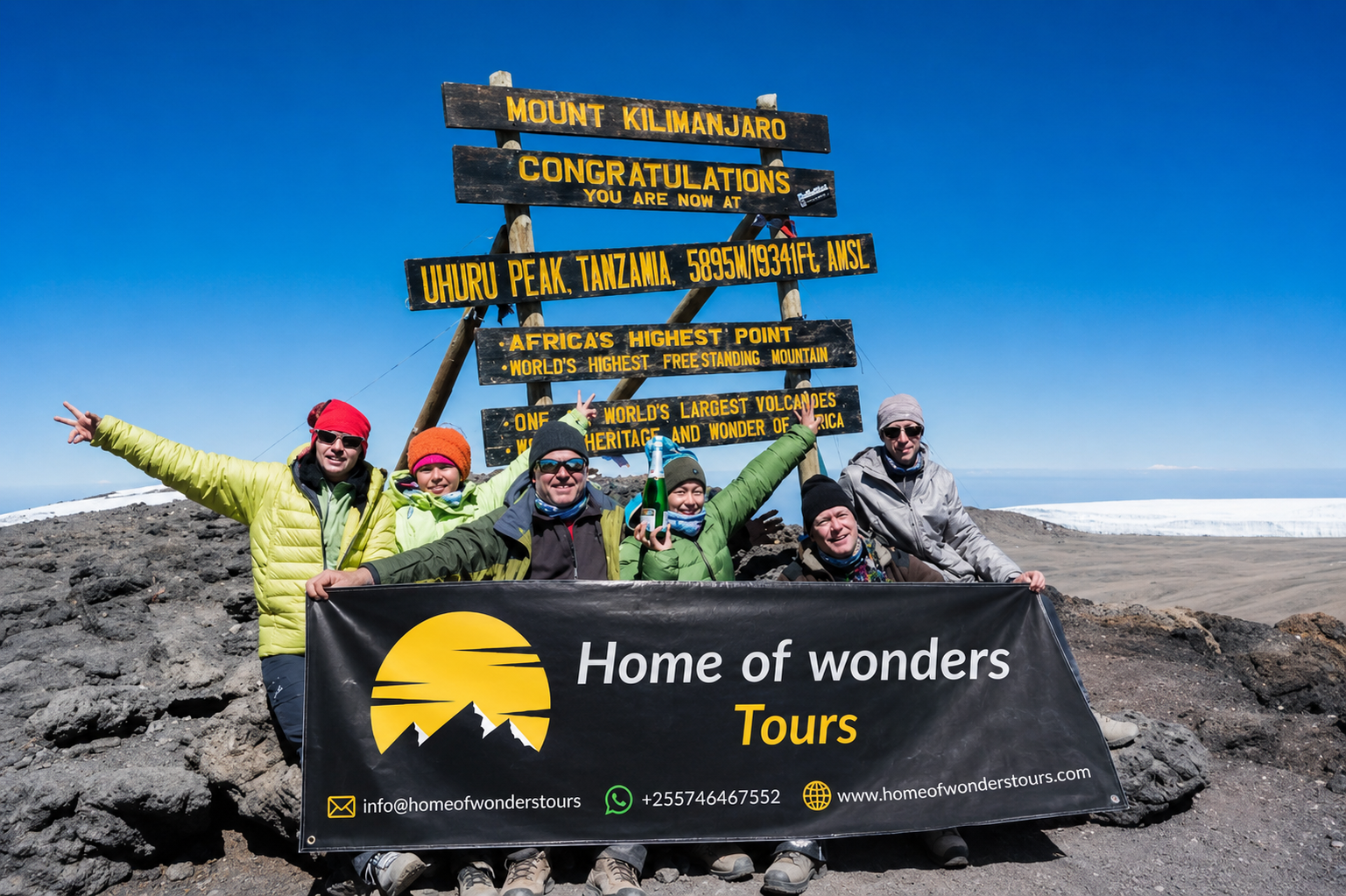
Are you planning to climb Mount Kilimanjaro and wondering which route is best for your adventure? Choosing the right Kilimanjaro climbing route is one of the most important decisions when planning your Tanzania mountain trekking holiday. Mount Kilimanjaro, standing at 5,895 metres above sea level, is Africa's highest mountain and one of the world's most famous trekking destinations. Every year, climbers from the United States, United Kingdom, Germany, Canada, Australia and other countries travel to Tanzania to experience the challenge of reaching Uhuru Peak, the highest point in Africa.
There are seven established routes used to climb Mount Kilimanjaro: Lemosho, Machame, Marangu, Rongai, Northern Circuit, Umbwe and Shira. Each route offers a different climbing experience, with varying trekking days, landscapes, difficulty levels, accommodation arrangements, crowds and acclimatization opportunities. Whether you are a first-time climber, an experienced hiker, a solo traveller looking for a group joining Kilimanjaro climb, or a couple planning a private mountain adventure, choosing the right route can make a significant difference to your experience.
At Home of Wonders Tours Tanzania, we help international travellers plan guided Mount Kilimanjaro climbing tours with experienced mountain guides, professional mountain crews and carefully organised trekking itineraries. In this complete Kilimanjaro route comparison guide, you will discover the best routes to climb Kilimanjaro, how long each route takes, which route offers better acclimatization, the most scenic routes, climbing difficulty, costs and how to choose the right Kilimanjaro climbing package.
Quick Comparison: The 7 Best Kilimanjaro Routes
If you are searching for the best route to climb Mount Kilimanjaro, the table below gives you an overview of the seven main trekking routes.
| Kilimanjaro Route | Typical Duration | Difficulty | Best For |
|---|---|---|---|
| Lemosho Route | 7–9 days | Moderate to challenging | First-time climbers seeking a longer, scenic climb |
| Machame Route | 6–7 days | Challenging | Scenic trekking and adventure |
| Marangu Route | 5–6 days | Moderate to challenging | Climbers who prefer mountain huts |
| Rongai Route | 6–7 days | Moderate to challenging | Quieter northern approach |
| Northern Circuit | 8–10 days | Moderate to challenging | Extended acclimatization and remote scenery |
| Umbwe Route | 6–7 days | Very challenging | Experienced and physically prepared trekkers |
| Shira Route | 6–8 days | Challenging | Trekkers comfortable with a high starting altitude |
Durations depend on the itinerary offered by the tour operator. A longer itinerary generally allows more time for acclimatization, although no route can guarantee reaching the summit.
1. Lemosho Route – One of the Best Kilimanjaro Routes for First-Time Climbers
The Lemosho Route is widely considered one of the best routes for climbing Mount Kilimanjaro because it combines spectacular scenery, a quieter beginning and good opportunities for gradual acclimatization. Approaching the mountain from the western side, the Lemosho Route takes climbers through beautiful rainforest, the open Shira Plateau, alpine desert landscapes and the dramatic Barranco Valley before reaching the summit of Uhuru Peak.
Most Lemosho climbing packages take 7 to 9 days, with the 8-day itinerary being a popular choice for travellers who want additional time on the mountain. The route includes opportunities to climb high and sleep lower, helping the body adjust to the increasing altitude.
Why choose the Lemosho Route?
- Beautiful landscapes and diverse vegetation zones.
- A quieter and more remote starting section.
- Good acclimatization opportunities on longer itineraries.
- Suitable for many first-time Kilimanjaro climbers with proper preparation.
- Excellent photographic opportunities.
- A rewarding trekking experience before reaching Uhuru Peak.
Recommended: The 8-day Lemosho Route for climbers who want a scenic adventure with a more gradual climbing schedule.
Explore our Lemosho Route Kilimanjaro climbing packages.
2. Machame Route – The Famous Kilimanjaro Whiskey Route
The Machame Route, popularly known as the Whiskey Route, is one of the most popular Mount Kilimanjaro climbing routes. It is famous for its beautiful scenery, varied landscapes and challenging trekking experience. The route approaches Mount Kilimanjaro from the southern side and passes through rainforest, moorland, alpine desert and high-altitude landscapes.
The Machame Route normally takes 6 or 7 days. The 7-day Machame climb provides an additional acclimatization day compared with the shorter itinerary, making it a popular choice for climbers seeking a balance between trekking duration and altitude preparation.
Highlights include the spectacular Barranco Wall, the impressive Lava Tower area and the beautiful views surrounding the southern slopes of Kilimanjaro.
Why choose the Machame Route?
- One of the most popular Kilimanjaro trekking routes.
- Spectacular mountain scenery.
- The famous Barranco Wall climbing experience.
- Varied landscapes and vegetation zones.
- A rewarding challenge for physically prepared hikers.
- A popular option for private and group joining Kilimanjaro climbs.
Recommended: The 7-day Machame Route for travellers who want a scenic and adventurous Mount Kilimanjaro trekking experience.
Explore our Machame Route climbing packages.
3. Marangu Route – The Kilimanjaro Coca-Cola Route
The Marangu Route, also called the Coca-Cola Route, is the traditional route to climb Mount Kilimanjaro. It approaches the mountain from the southeastern side and is especially known for its mountain hut accommodation. Unlike the other main Kilimanjaro routes, where climbers sleep in tents, Marangu offers shared mountain huts along the trekking trail.
The Marangu Route usually takes 5 or 6 days. The 6-day itinerary includes an additional acclimatization day at Horombo Hut, which is preferable to rushing the climb with a shorter schedule.
The route passes through beautiful rainforest, open moorland and alpine desert before reaching Kibo Hut, the starting point for the final summit attempt to Uhuru Peak.
Why choose the Marangu Route?
- The only established Kilimanjaro route with hut accommodation.
- A traditional approach to Mount Kilimanjaro.
- A relatively direct trekking trail.
- Suitable for climbers who prefer sleeping in mountain huts.
- Beautiful rainforest and mountain scenery.
- Available as a private or group climbing package.
Recommended: The 6-day Marangu Route for travellers who prefer mountain huts and want an additional acclimatization day.
Explore our Marangu Route Kilimanjaro packages.
4. Rongai Route – A Quieter Northern Approach to Mount Kilimanjaro
The Rongai Route approaches Mount Kilimanjaro from the northern side, close to the Kenyan border. It is a good option for climbers looking for a quieter trekking experience and a different perspective of the mountain.
Compared with some of the busier southern routes, Rongai often experiences less traffic during the early stages of the climb. Its landscape includes forest, open moorland and dramatic mountain scenery around Mawenzi Peak.
Most Rongai climbing itineraries take 6 or 7 days. The longer itinerary gives climbers more time to adjust to the altitude and enjoy the mountain environment.
Why choose the Rongai Route?
- Quieter northern approach to Kilimanjaro.
- Beautiful views of Mawenzi Peak.
- A different perspective of the mountain.
- Often a drier northern approach than the southern slopes.
- Good option for travellers who prefer less crowded trails.
- Suitable for private and group joining climbs.
Recommended: The 7-day Rongai Route for climbers seeking a quieter northern-side trekking experience.
Explore our Rongai Route Kilimanjaro climbing packages.
5. Northern Circuit Route – The Longest and One of the Best Routes for Acclimatization
The Northern Circuit Route is the longest established trekking route on Mount Kilimanjaro and is an excellent option for travellers who have enough time for an extended mountain adventure. Beginning on the western side through the Lemosho approach, the route travels around the quieter northern slopes before joining the final summit approach.
The Northern Circuit normally takes 8 to 10 days, with 9-day and 10-day itineraries providing extended time for acclimatization. It offers incredible views of the mountain, remote wilderness landscapes and a less crowded trekking experience along much of the northern section.
For climbers who want to spend more time on Mount Kilimanjaro and experience a longer trekking adventure, the Northern Circuit is an excellent choice.
Why choose the Northern Circuit Route?
- Long trekking itinerary with extended acclimatization opportunities.
- Remote and quieter northern slopes.
- Spectacular panoramic mountain views.
- A nearly complete circuit around Kilimanjaro.
- Excellent for travellers who have enough time for a longer climb.
- A rewarding experience for adventurous international hikers.
Recommended: The 9-day Northern Circuit Route for climbers who prioritise additional time on the mountain and a quieter trekking experience.
Explore our Northern Circuit Kilimanjaro climbing packages.
6. Umbwe Route – The Most Challenging Kilimanjaro Climbing Route
The Umbwe Route is known as one of the steepest and most demanding approaches to Mount Kilimanjaro. It begins on the southern side of the mountain and follows a direct, steep trail through dense rainforest before joining the southern circuit.
Unlike longer routes such as Lemosho and the Northern Circuit, Umbwe gains altitude relatively quickly. This makes it a demanding option for trekkers, particularly when attempted on a shorter itinerary.
The route usually takes 6 or 7 days, depending on the climbing programme. It is better suited to experienced, physically prepared trekkers who understand the challenges of high-altitude hiking.
Why choose the Umbwe Route?
- Steep and adventurous trekking experience.
- Dramatic rainforest and mountain landscapes.
- A challenging alternative to the more popular routes.
- Less crowded initial trekking sections.
- Suitable for experienced and well-prepared hikers.
Recommended: A longer 7-day itinerary rather than rushing the climb. Climbers without previous high-altitude experience should consider a more gradual route.
Explore our Umbwe Route Kilimanjaro climbing packages.
7. Shira Route – Explore the Western Side of Mount Kilimanjaro
The Shira Route approaches Mount Kilimanjaro from the western side and is known for its spectacular views across the Shira Plateau. The route offers beautiful open landscapes, mountain scenery and access to the impressive alpine desert environment.
One important feature of the Shira Route is its relatively high starting altitude. Climbers are usually transferred by vehicle towards the Shira Plateau before beginning their trek. Because the climb starts high, this route may be more demanding for people who have not previously adjusted to altitude.
Shira itineraries generally take 6 to 8 days, depending on the programme. Climbers should carefully consider their previous altitude experience and the acclimatization schedule before choosing this route.
Why choose the Shira Route?
- Beautiful western approach to Kilimanjaro.
- Stunning views across the Shira Plateau.
- Remote mountain landscapes.
- Excellent opportunities for mountain photography.
- A unique trekking experience for suitably prepared hikers.
Recommended: The Shira Route for trekkers with appropriate altitude experience and a well-planned acclimatization programme. Lemosho may be a better alternative for many first-time climbers.
Explore our Shira Route Kilimanjaro climbing packages.
Which Kilimanjaro Route Is Best for You?
There is no single best Kilimanjaro route for everyone. The right choice depends on your physical fitness, previous hiking experience, travel schedule, budget, accommodation preference and how much time you can spend acclimatizing.
Here is a simple guide to help you choose the best Mount Kilimanjaro climbing route.
| Your Preference | Recommended Route |
|---|---|
| Best overall choice for many first-time climbers | Lemosho |
| Beautiful scenery and adventure | Machame |
| Mountain hut accommodation | Marangu |
| Quieter northern approach | Rongai |
| Longer climb and extended acclimatization | Northern Circuit |
| Steep and challenging trekking | Umbwe |
| Western plateau landscapes | Shira |
What Is the Best Kilimanjaro Route for Beginners?
For many first-time climbers, the 8-day Lemosho Route is an excellent option because it provides a gradual approach, beautiful scenery and more time for acclimatization than shorter itineraries. The 9-day Northern Circuit is another excellent option for travellers who have enough time and want an extended climbing experience.
What Is the Best Kilimanjaro Route for Summit Success?
Longer itineraries generally provide better opportunities for acclimatization. The 9-day Northern Circuit and 8-day Lemosho are strong options for climbers who want more time to adjust to the altitude. However, summit success depends on many factors, including individual health, acclimatization, weather, preparation and guide decisions. No route guarantees reaching Uhuru Peak.
What Is the Most Scenic Kilimanjaro Route?
Lemosho and Machame are both excellent choices for travellers who want diverse scenery. Lemosho offers the Shira Plateau and a remote western approach, while Machame features dramatic landscapes, the Barranco Wall and beautiful views of the southern mountain slopes.
What Is the Easiest Kilimanjaro Route?
No Kilimanjaro route is truly easy because every route reaches an altitude of 5,895 metres. Rongai has a relatively gradual northern approach, while Marangu offers a more direct trail and hut accommodation. However, shorter itineraries may provide less time for acclimatization. Choosing a longer itinerary is generally a better approach than choosing a route simply because it is advertised as easy.
What Is the Cheapest Kilimanjaro Route?
The final price of a Kilimanjaro climb depends on the number of trekking days, park fees, accommodation, group size, mountain crew, equipment, transportation and services included. Shorter itineraries may have lower package prices, but the cheapest option is not necessarily the best value. Compare what is included and prioritise a responsible climbing programme.
How Much Does It Cost to Climb Mount Kilimanjaro?
The cost of climbing Mount Kilimanjaro depends on the route, duration, travel season, accommodation arrangements and type of tour package you choose. International travellers can select private Kilimanjaro climbing tours, budget group joining climbs or more personalised trekking experiences.
Important factors that influence the price include:
- Kilimanjaro National Park fees and camping or hut fees.
- Number of days spent on the mountain.
- Professional mountain guides and support crew.
- Food, drinking water and mountain equipment.
- Transfers between Arusha, Moshi and the mountain gates.
- Accommodation before and after the climb, if included.
- Private or group joining arrangements.
- Emergency support and evacuation arrangements.
When comparing Kilimanjaro climbing prices, always check whether park fees, meals, accommodation, transfers, guide services and applicable taxes are included. A very low advertised price may exclude important services.
Contact Home of Wonders Tours Tanzania for a quotation based on your preferred route, travel dates and group size.
Best Time to Climb Mount Kilimanjaro in Tanzania
Choosing the best time to climb Mount Kilimanjaro can improve your overall trekking experience. The mountain can be climbed throughout the year, but weather conditions vary significantly between seasons.
January to early March: These months are often a good period for climbing, with generally favourable weather and opportunities for clear mountain views.
June to October: This is another popular climbing period, with relatively dry conditions and favourable trekking weather. It can also be a busier season on the mountain.
November: Short rains may occur, although conditions can vary. Some travellers still choose to climb during this period.
April and May: These months generally experience the long rainy season. Trails can be wet and muddy, and weather conditions may be more challenging.
For international travellers planning a Tanzania holiday, it is advisable to book your Kilimanjaro climbing package in advance, particularly for popular travel periods.
How Difficult Is It to Climb Mount Kilimanjaro?
Mount Kilimanjaro is a high-altitude trekking mountain rather than a technical mountaineering climb on its standard routes. Most climbers do not require ropes or advanced rock-climbing skills, but reaching Uhuru Peak is physically demanding because of the altitude, long hiking days, changing weather and summit-night conditions.
The biggest challenge is altitude acclimatization. As you climb higher, the amount of available oxygen decreases, and your body needs time to adjust.
To prepare for your Kilimanjaro trekking adventure:
- Build your fitness through regular walking and hiking.
- Practise hiking with a backpack.
- Include uphill and downhill training.
- Wear comfortable and properly fitted hiking boots.
- Follow your mountain guide's instructions.
- Walk slowly and drink water regularly.
- Allow enough days for acclimatization.
- Discuss medical fitness and altitude risks with a qualified healthcare professional before your trip.
Kilimanjaro Altitude Sickness: How to Stay Safe During Your Climb
Altitude sickness is one of the most important challenges when climbing Mount Kilimanjaro. It can affect climbers regardless of age, fitness or previous hiking experience.
Common symptoms may include headache, nausea, dizziness, tiredness and loss of appetite. Serious altitude illness can become life-threatening and requires immediate action.
To reduce risks:
- Choose an itinerary with adequate acclimatization time.
- Follow the guide's recommended slow walking pace.
- Report symptoms to your mountain guide immediately.
- Follow altitude monitoring and safety procedures.
- Descend promptly if serious altitude illness is suspected.
Every climber should understand that reaching the summit is not more important than personal safety. Your guides should prioritise your health throughout the expedition.
What Should You Pack for Climbing Mount Kilimanjaro?
Having the correct Kilimanjaro climbing equipment is essential for comfort and safety. Temperatures change dramatically as you move from tropical rainforest to the cold high-altitude summit zone.
Essential Kilimanjaro packing list:
- Waterproof hiking boots.
- Thermal base layers.
- Fleece jacket and insulated down jacket.
- Waterproof jacket and trousers.
- Hiking trousers and trekking shirts.
- Warm gloves and winter hat.
- Sun hat and sunglasses.
- Sleeping bag suitable for cold mountain conditions.
- Headlamp with spare batteries.
- Trekking poles.
- Water bottles or hydration system.
- Sunscreen and personal toiletries.
- Daypack and duffel bag.
- Personal medication and first-aid essentials.
Your tour operator should provide a detailed packing list before your Kilimanjaro climbing adventure.
Why Book Your Mount Kilimanjaro Climb with Home of Wonders Tours Tanzania?
Choosing a reliable local tour operator is an important part of planning a successful Kilimanjaro trekking adventure. Home of Wonders Tours Tanzania helps international travellers organise guided Mount Kilimanjaro climbing packages with attention to safety, service quality and the overall mountain experience.
Whether you are planning a private Kilimanjaro climb, an affordable group joining trek, a luxury Tanzania holiday or a combined Kilimanjaro and wildlife safari, our team can help you select a suitable itinerary.
Why consider Home of Wonders Tours Tanzania?
- Local Tanzania-based tour operator.
- Private and group joining Kilimanjaro climbing options.
- Multiple climbing routes and itinerary durations.
- Experienced mountain guides and support crew.
- Assistance with trekking preparation and packing.
- Climbing arrangements for solo travellers, couples and groups.
- Options to combine Kilimanjaro climbing with Tanzania wildlife safaris and Zanzibar holidays.
- Personalised travel planning and customer support.
Our goal is to help you plan a memorable and responsibly organised journey to the Roof of Africa.
Frequently Asked Questions About the Best Kilimanjaro Routes
1. What is the best route to climb Mount Kilimanjaro?
The Lemosho Route is an excellent overall option for many climbers because it combines beautiful scenery, a gradual approach and good acclimatization opportunities on longer itineraries. The Northern Circuit is another excellent choice for those who want a longer climb.
2. How many routes are there to climb Mount Kilimanjaro?
There are seven established routes commonly used to climb Mount Kilimanjaro: Lemosho, Machame, Marangu, Rongai, Northern Circuit, Umbwe and Shira.
3. Which Kilimanjaro route has the highest summit success?
Longer itineraries, particularly the 9-day Northern Circuit and 8-day Lemosho, provide more time for acclimatization. However, summit success varies between individuals and operators, and no route guarantees reaching the summit.
4. Which Kilimanjaro route is best for beginners?
The 8-day Lemosho Route is a popular recommendation for many first-time climbers. Its longer schedule and gradual approach can offer useful acclimatization opportunities.
5. Which Kilimanjaro route is the shortest?
The Marangu and Machame routes are commonly offered in 5- and 6-day and 6- and 7-day variations respectively. Shorter itineraries are not automatically better, as they can provide less time for acclimatization.
6. Which Kilimanjaro route has mountain huts?
The Marangu Route is the only one of the seven established routes that offers mountain hut accommodation along the standard trekking trail. Other routes use camping accommodation.
7. How many days does it take to climb Mount Kilimanjaro?
Most Kilimanjaro climbing packages take between 5 and 10 days on the mountain, depending on the chosen route and itinerary. Longer itineraries generally provide more time for acclimatization.
8. Can beginners climb Mount Kilimanjaro?
Yes. Beginners can climb Mount Kilimanjaro if they are appropriately prepared, medically fit for high-altitude trekking and choose a suitable itinerary. Previous mountaineering experience is not essential, but physical preparation is important.
9. What is the best month to climb Kilimanjaro?
January to early March and June to October are commonly preferred periods because they generally offer more favourable trekking conditions. Weather on the mountain can change at any time.
10. Can I climb Kilimanjaro as a solo traveller?
Yes. Solo travellers can book private climbs or join scheduled group climbing departures, depending on availability. Group joining tours can be a good way to share the experience with other international travellers.
11. Can I combine a Kilimanjaro climb with a Tanzania safari?
Yes. Many international travellers combine their Mount Kilimanjaro climbing adventure with a Tanzania wildlife safari to Serengeti National Park, Ngorongoro Crater and Tarangire National Park. You can also extend your holiday with a relaxing Zanzibar beach vacation.
Book Your Mount Kilimanjaro Climbing Adventure with Home of Wonders Tours Tanzania
Are you ready to experience the challenge of climbing Africa's highest mountain? Whether you choose the scenic Lemosho Route, adventurous Machame Route, traditional Marangu Route, quieter Rongai Route or extended Northern Circuit, Home of Wonders Tours Tanzania can help you plan your Mount Kilimanjaro trekking adventure.
Explore our affordable Kilimanjaro climbing packages, private mountain expeditions and group joining tours. Our team will help you compare routes, choose the right number of days and prepare for your journey to Uhuru Peak at 5,895 metres.
Contact Home of Wonders Tours Tanzania today to request your personalised Kilimanjaro climbing quotation and start planning your adventure to the Roof of Africa


 Cookies Consent