
The Great Migration is one of the world's most spectacular wildlife events and a dream safari experience for travelers visiting Tanzania. Every year, more than two million wildebeest, zebras, and gazelles move across the vast plains of the Serengeti ecosystem in search of fresh grazing and water. This incredible journey attracts wildlife enthusiasts, photographers, and adventure seekers from around the globe.
If you're planning a Tanzania safari, understanding the migration cycle can help you choose the best time and location for unforgettable wildlife viewing.
What Is the Great Migration?
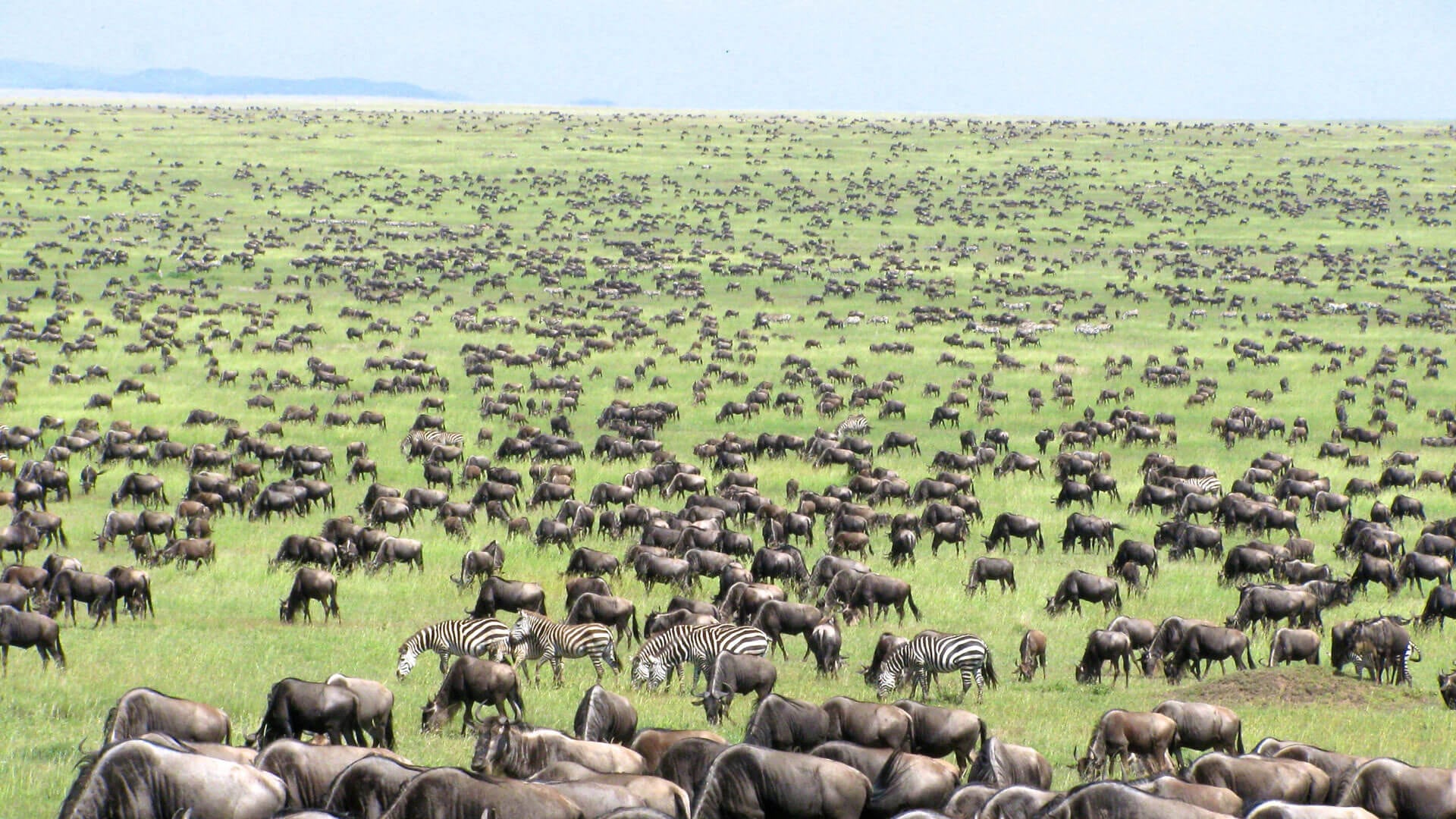
The Great Migration is the annual movement of over 1.5 million wildebeest, accompanied by hundreds of thousands of zebras and gazelles, across the Serengeti in Tanzania and the Maasai Mara in Kenya.
Unlike a single event, the migration is a year-round cycle driven by rainfall patterns and the search for fresh grass. Along the way, animals face numerous challenges, including predators such as lions, cheetahs, leopards, hyenas, and crocodiles.
The migration is often referred to as the "Greatest Wildlife Show on Earth" because of its scale and dramatic predator-prey interactions.
Best Time to Visit Serengeti for the Great Migration
January to March: Calving Season
The southern Serengeti and Ndutu region become the center of activity during these months. Thousands of wildebeest calves are born daily, creating excellent opportunities for wildlife viewing and photography.
Highlights:
- Witness thousands of newborn wildebeest.
- Excellent predator action as lions, cheetahs, and hyenas follow the herds.
- Beautiful green landscapes after seasonal rains.
Best for:
- Wildlife photographers
- Families
- First-time safari visitors
April to May: Green Season Migration
As the rains continue, the herds begin moving northwest through the central Serengeti.
Highlights:
- Fewer tourists and lower safari rates.
- Lush scenery and dramatic skies.
- Excellent birdwatching opportunities.
Best for:
- Budget travelers
- Nature lovers
- Photography enthusiasts
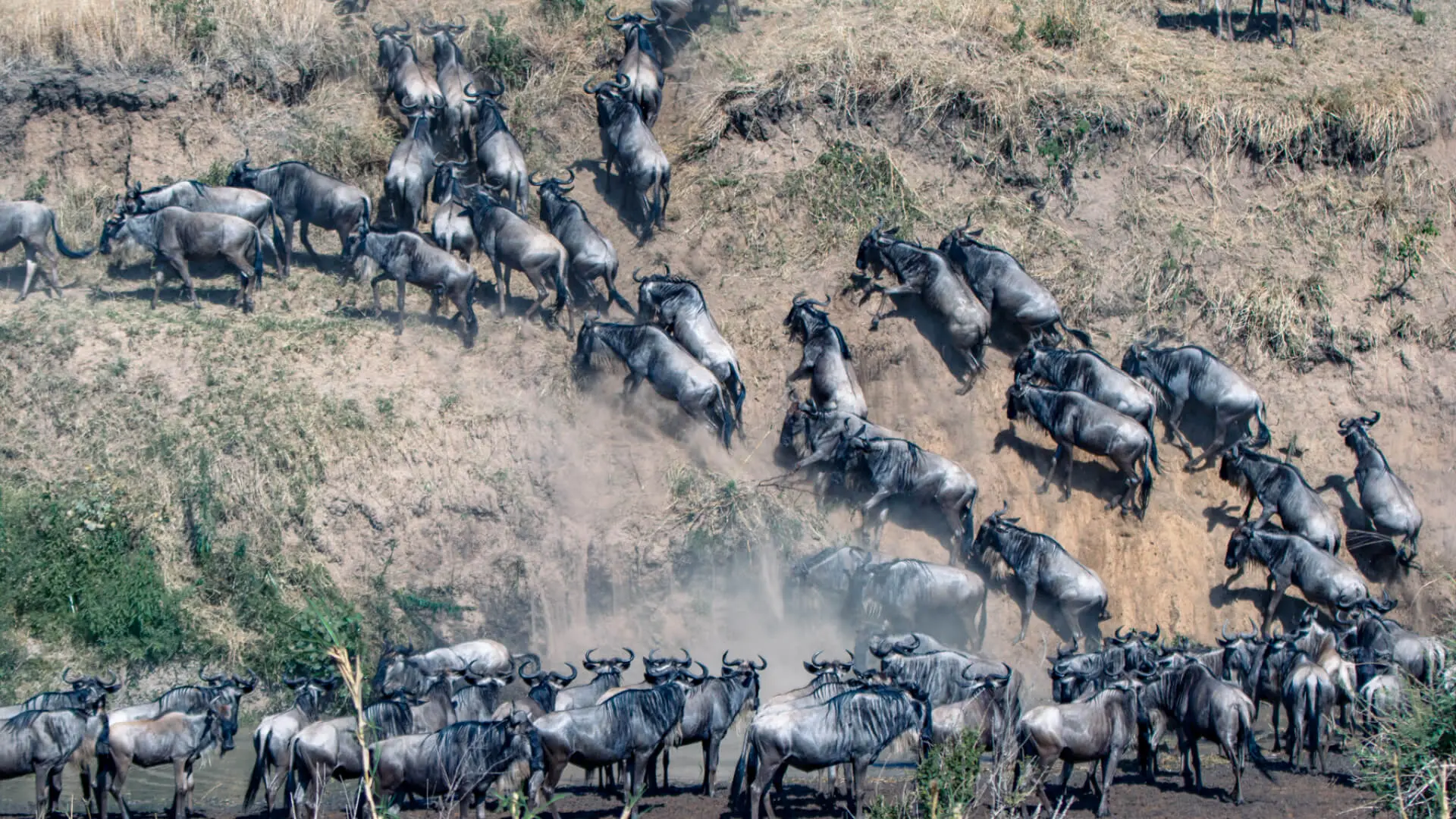
June to July: Western Corridor River Crossings
The migration reaches the Western Corridor, where wildebeest cross the Grumeti River.
Highlights:
- Dramatic river crossings.
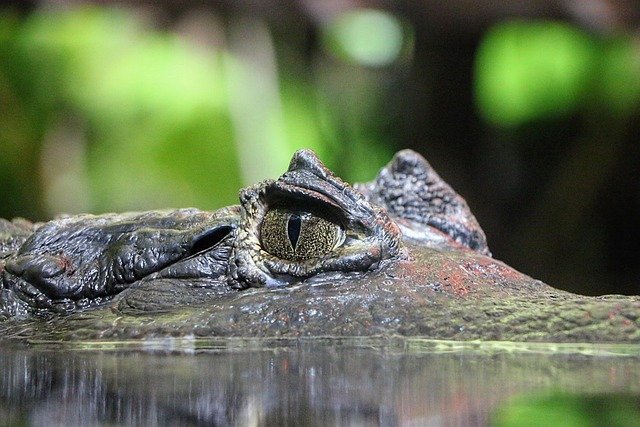
- Large crocodiles waiting along the riverbanks.
- Excellent predator encounters.
Best for:
- Adventure seekers
- Wildlife photographers
August to October: Mara River Crossings
This is considered the peak migration season. Herds gather near the northern Serengeti and attempt to cross the famous Mara River.
Highlights:
- Spectacular river crossings.
- Massive concentrations of wildlife.
- High chances of seeing predators in action.
Best for:
- First-time safari travelers
- Luxury safari experiences
- Professional photography
November to December: Return to Southern Serengeti
The short rains encourage the herds to move southward again, beginning a new migration cycle.
Highlights:
- Fewer crowds.
- Excellent game viewing.
- Beautiful landscapes and migrating herds.
Best for:
- Travelers seeking a quieter safari experience.
Where to See the Great Migration
Southern Serengeti and Ndutu
Best from January to March for calving season and predator sightings.
Central Serengeti
Ideal from April to June as herds move through the region.
Western Corridor
Perfect for Grumeti River crossings between June and July.
Northern Serengeti
The best location for Mara River crossings from August to October.
What Animals Can You Expect to See?
A Great Migration safari offers much more than wildebeest. Visitors regularly encounter:
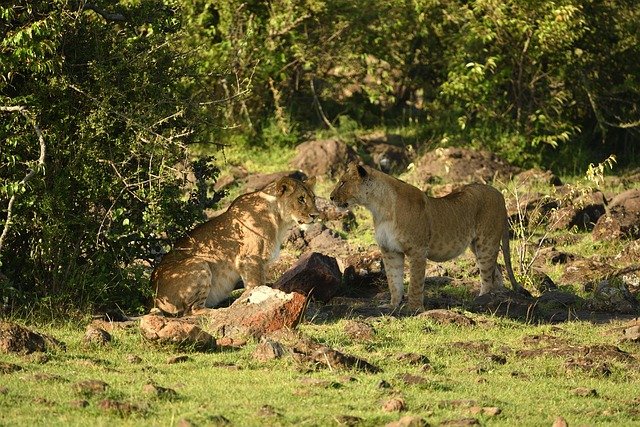
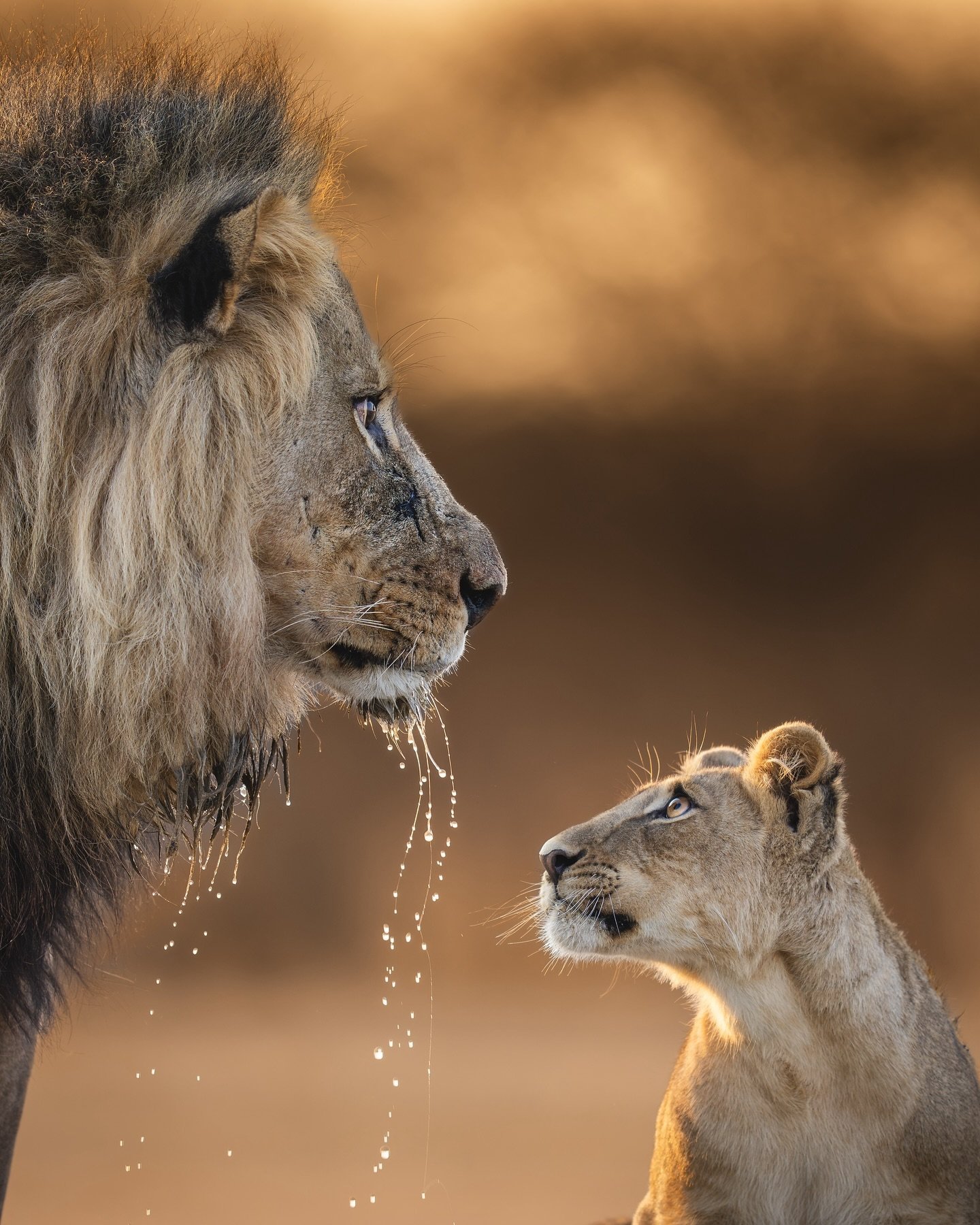
- African lions
- Leopards
- Cheetahs
- African elephants
- Buffalo
- Giraffes
- Hippos
- Nile crocodiles
- Hyenas
- Hundreds of bird species
The Serengeti is home to one of Africa's highest concentrations of wildlife, making every game drive an unforgettable experience.
How Many Days Do You Need?
For the best migration experience, a safari of 5 to 8 days is recommended. This allows enough time to explore different regions of the Serengeti and maximize wildlife viewing opportunities.
Popular safari combinations include:
- Serengeti and Ngorongoro Crater
- Serengeti, Tarangire, and Lake Manyara
- Serengeti safari followed by a Zanzibar beach holiday
Tips for Planning a Great Migration Safari
- Book early, especially for travel between July and October.
- Choose accommodations close to current migration locations.
- Travel with experienced local guides.
- Bring binoculars and a quality camera.
- Consider a hot air balloon safari for breathtaking aerial views of the Serengeti.
Why Choose Tanzania for the Great Migration?
Tanzania offers some of Africa's most authentic safari experiences. The Serengeti's vast landscapes, diverse wildlife, and year-round migration opportunities make it one of the world's premier safari destinations.
Whether you dream of witnessing dramatic river crossings, observing newborn wildebeest during calving season, or photographing predators in action, the Serengeti delivers unforgettable memories at every turn.
Final Thoughts
The Great Migration is a once-in-a-lifetime adventure that showcases nature at its most dramatic and beautiful. By choosing the right season and safari itinerary, travelers can experience one of the planet's greatest wildlife spectacles.
If you're planning a Tanzania safari in 2026, now is the perfect time to start preparing for an extraordinary journey through the Serengeti and witness the Great Migration up close.

 Cookies Consent