
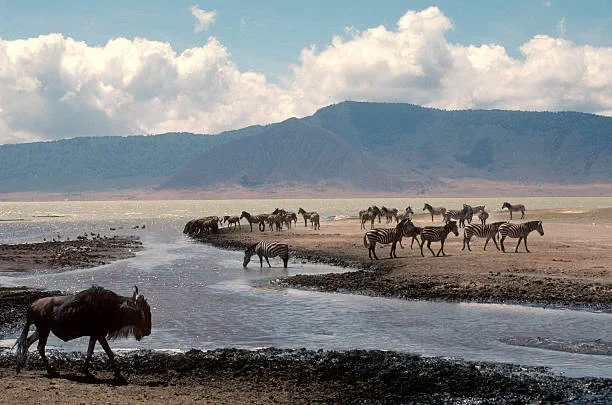
The Great Wildebeest Migration is one of the world's most extraordinary wildlife spectacles and is often called "The Greatest Wildlife Show on Earth." Every year, more than 2 million wildebeest, accompanied by hundreds of thousands of zebras and gazelles, travel across the vast Serengeti ecosystem in Tanzania and into Kenya's Maasai Mara in search of fresh grazing and water.
This continuous, year-round migration offers breathtaking wildlife encounters, dramatic river crossings, thrilling predator action, and unforgettable safari experiences. Whether you're planning your first African safari or returning for another adventure, witnessing the migration should be at the top of your bucket list.
This complete guide explains where and when to see the Great Wildebeest Migration, the best safari destinations, migration calendar, accommodation options, safari costs, photography tips, and expert travel advice for
What Is the Great Wildebeest Migration?
The Great Wildebeest Migration is a natural annual movement of wildlife through the Serengeti-Mara ecosystem.
Each year approximately:
- More than 2 million wildebeest
- Around 300,000 zebras
- Hundreds of thousands of Thomson's and Grant's gazelles
travel over 1,000 kilometers (620 miles) in search of greener pastures.
The migration is driven by seasonal rainfall, meaning the exact timing changes slightly every year depending on weather conditions.
Unlike many people think, the migration is not a single event—it is a continuous cycle that takes place throughout the year.
Where Does the Migration Take Place?
The migration follows a circular route through northern Tanzania and southern Kenya.
Main migration areas include:
- Southern Serengeti
- Ndutu Plains
- Central Serengeti (Seronera)
- Western Corridor
- Grumeti River
- Northern Serengeti
- Mara River
- Maasai Mara (Kenya)
Most visitors choose a Tanzania safari because the herds spend the majority of the year within the Serengeti ecosystem.
Great Wildebeest Migration Calendar
Understanding the migration calendar helps travelers choose the best time for their safari.
January to March – Calving Season
Location
Southern Serengeti and Ndutu Plains
This is one of the most exciting periods of the migration.
Approximately 500,000 wildebeest calves are born within just a few weeks.
The abundance of newborn animals attracts predators, creating spectacular wildlife viewing.
Highlights
- Baby wildebeest
- Lions hunting
- Cheetahs in action
- Hyenas
- Excellent photography
- Green landscapes
Best For:
Families, photographers, and visitors interested in predator-prey interactions.
April to May – Green Season Migration
Location
Central and Western Serengeti
As the rains continue, enormous herds begin moving northwest.
The landscape becomes incredibly lush and beautiful.
Highlights
- Massive migrating herds
- Dramatic skies
- Fewer tourists
- Lower safari prices
- Excellent photography
Best For:
Budget travelers and photographers.
June to July – Grumeti River Crossings
Location
Western Corridor
The migration reaches the Grumeti River.
Although smaller than the Mara River, the Grumeti crossings are dramatic and feature large Nile crocodiles waiting in the water.
Highlights
- River crossings
- Crocodiles
- Predator action
- Luxury safari camps
Best For:
Travelers seeking fewer crowds than the northern Serengeti.
July to October – Mara River Crossings
Location
Northern Serengeti
This is the most famous phase of the migration.
Thousands of wildebeest gather at the banks of the Mara River before making daring crossings through fast-moving water filled with crocodiles.
Many crossings happen unexpectedly, making every safari exciting.
Highlights
- Mara River crossings
- Crocodiles
- Lions
- Leopards
- Cheetahs
- Luxury tented camps
This is considered the best time to witness the migration.
November to December – Return Journey
Location
Eastern and Southern Serengeti
As seasonal rains return, the herds move south toward the Ndutu Plains.
The migration cycle begins again.
Highlights
- Massive herds
- Green landscapes
- Excellent wildlife viewing
- Fewer visitors
Best Places to See the Migration
1. Southern Serengeti (January–March)
Perfect for:
- Calving season
- Predator action
- Family safaris
2. Central Serengeti (April–June)
Perfect for:
- Resident wildlife
- Year-round game viewing
- Scenic landscapes
3. Western Corridor (June–July)
Perfect for:
- Grumeti River crossings
- Luxury safari camps
- Large herds
4. Northern Serengeti (July–October)
Perfect for:
- Mara River crossings
- Luxury safaris
- Wildlife photography
Animals You Can See During the Migration
The migration is much more than wildebeest.
Visitors regularly encounter:
Big Cats
- Lions
- Leopards
- Cheetahs
Other Predators
- Hyenas
- African wild dogs (occasionally)
- Jackals
- Nile crocodiles
Herbivores
- Zebras
- Gazelles
- Giraffes
- Elephants
- Buffalo
- Hippos
The Serengeti is also one of the best places in Africa to see the Big Five, making it an outstanding destination even outside the migration season.
Best Safari Packages for the Great Migration
5-Day Migration Safari
Ideal for travelers with limited time.
Includes:
- Central Serengeti
- Ngorongoro Crater
7-Day Great Migration Safari
Most popular option.
Includes:
- Tarangire National Park
- Serengeti National Park
- Ngorongoro Crater
10-Day Luxury Migration Safari
Perfect for photographers and honeymooners.
Includes:
- Northern Serengeti
- Luxury tented camps
- Ngorongoro Crater
- Optional Zanzibar extension
How Much Does a Great Migration Safari Cost?
Prices vary depending on accommodation, season, and group size.
Budget Safari
US$250–450 per person per day
Mid-Range Safari
US$450–800 per person per day
Luxury Safari
US$800–1,800 per person per day
Ultra-Luxury Safari
US$2,000–4,000+ per person per day
Peak migration months (July–October) generally have the highest prices due to strong demand.
Photography Tips
To capture unforgettable migration images:
- Travel during the dry season for clear skies.
- Bring a telephoto lens (200–400 mm or longer).
- Carry extra batteries and memory cards.
- Protect equipment from dust.
- Be patient at river crossings—they can happen at any time.
- Choose early morning and late afternoon game drives for the best light.
Travel Tips
- Book 6–12 months in advance if traveling during July–October.
- Stay at camps close to the migration route to reduce driving time.
- Spend at least 6–8 days on safari for the best chance of seeing different migration stages.
- Consider adding the Ngorongoro Crater or Tarangire National Park to your itinerary for a more complete Northern Circuit experience.
- Pack neutral-colored clothing, a hat, sunscreen, binoculars, and a good camera.
Frequently Asked Questions
What is the best month to see the Great Wildebeest Migration?
The migration can be viewed throughout the year in different parts of the Serengeti. For the famous Mara River crossings, July through October is generally the best period.
Can I see the migration in the rainy season?
Yes. January to March offers the spectacular calving season, while April and May feature vast herds crossing lush green landscapes with fewer tourists.
How many days do I need?
A 6–8 day safari gives you enough time to explore multiple regions of the Serengeti and maximize your chances of witnessing key migration events.
Is the Great Migration guaranteed?
The migration is a natural event influenced by rainfall and grazing conditions. While exact locations change from year to year, experienced local guides track the herds daily to position travelers in the best possible viewing areas.
Why Choose Home of Wonders Tours?
At Home of Wonders Tours, we specialize in expertly planned Great Wildebeest Migration Safaris tailored to the movement of the herds. Our experienced guides monitor migration patterns throughout the year, helping you enjoy exceptional wildlife viewing whether you travel during the calving season, the Grumeti River crossings, or the world-famous Mara River crossings.
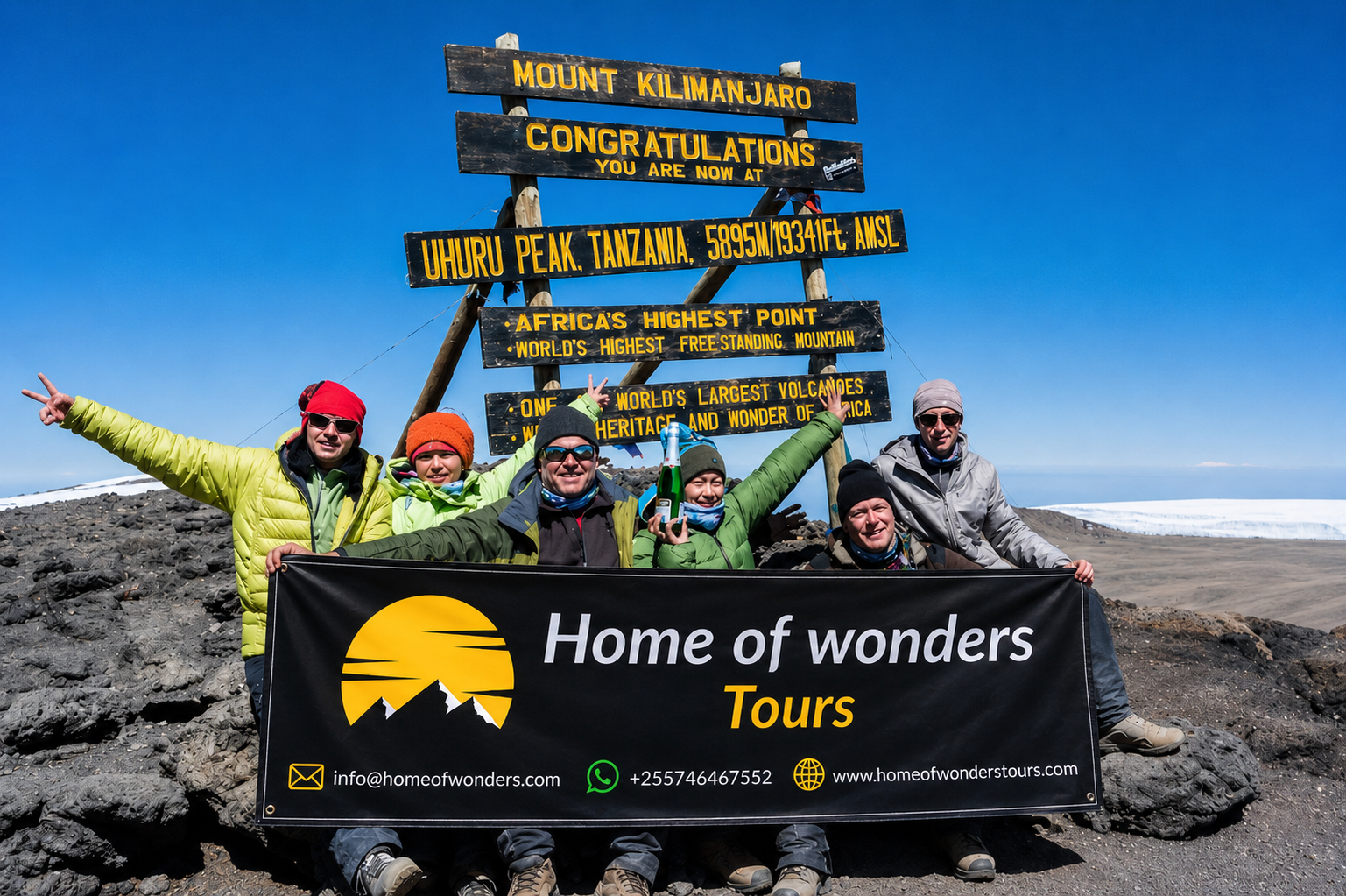
We offer private safaris, luxury lodges, family adventures, honeymoon packages, photography tours, and combined itineraries featuring the Serengeti, Ngorongoro Crater, Tarangire National Park, Mount Kilimanjaro, and Zanzibar.
Book Your Great Migration Safari Today
Witness one of the greatest wildlife spectacles on Earth with Home of Wonders Tours. Contact us today to plan your personalized 2026–2027 Great Wildebeest Migration Safari and experience the beauty, excitement, and unforgettable moments that make Tanzania one of the world's premier safari destinations.

 Cookies Consent