The Ngorongoro Crater is a breathtaking natural wonder and a UNESCO World Heritage Site. Formed from a massive volcanic eruption millions of years ago, it is the world's largest intact and unfilled volcanic caldera. The crater floor spans roughly 260 square kilometers and is surrounded by towering walls rising up to 600 meters high.
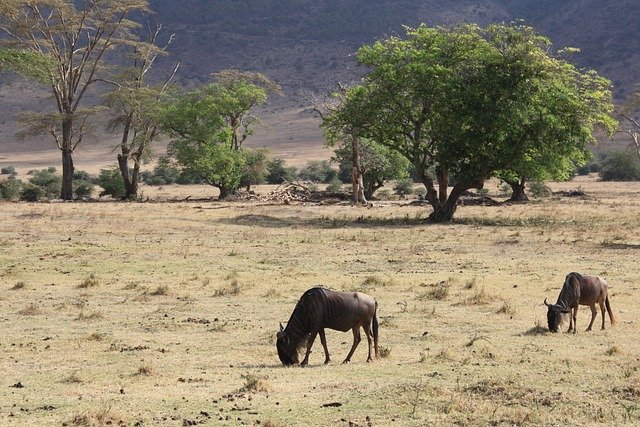
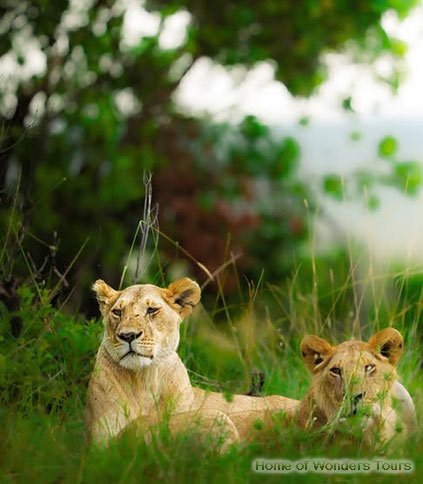
Often referred to as a "natural amphitheater," the crater floor is a self-contained ecosystem that supports an astonishing density of wildlife. It is one of the few places in Africa where you can spot the Big Five in a single day. The crater is home to over 25,000 large animals, including the critically endangered black rhino, massive-tusked elephants, and dense populations of lions, buffalo, and hippos.
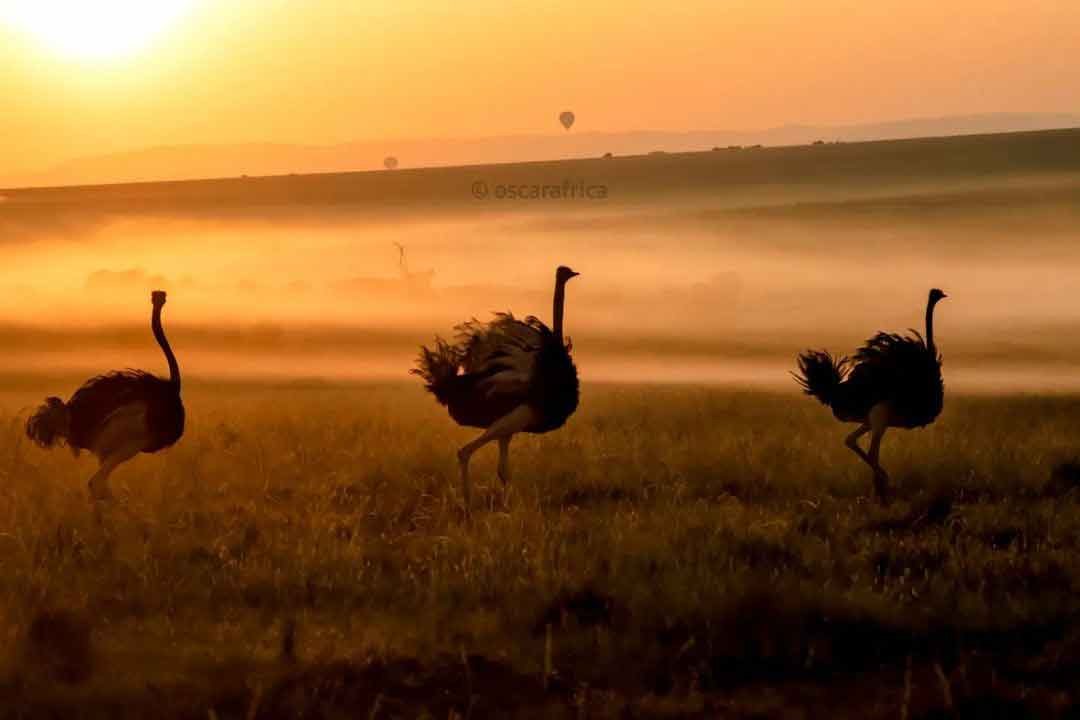
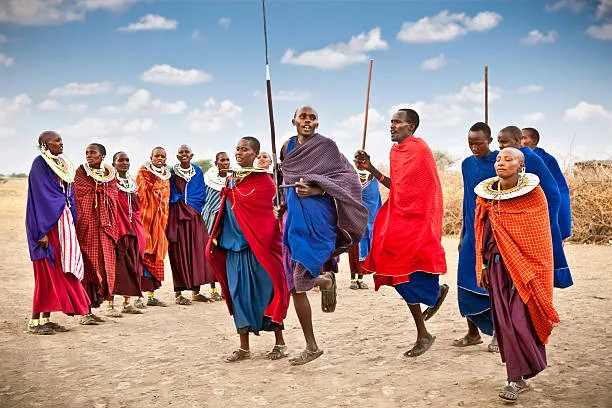
Beyond its wildlife, the Ngorongoro Conservation Area is a unique blend of nature and human history. It is home to the Maasai people, who have grazed their cattle alongside the wild animals for centuries. Nearby, you can visit the famous Olduvai Gorge, where some of the earliest human fossils were discovered, earning it the nickname "The Cradle of Mankind."
The best time for general wildlife viewing. The vegetation is thinner, making animals easier to spot. The weather is cool and clear on the crater rim, though mornings can be chilly.
Lush green landscapes and excellent birding. This is the low season with fewer crowds. Afternoon showers are common, but they leave the crater looking spectacularly vibrant.
The largest inactive, intact, and unfilled volcanic caldera in the world.
One of the most reliable places in Tanzania to spot the critically endangered black rhino.
A unique conservation area where wild animals and the Maasai people coexist.
Known as the "Cradle of Mankind," home to early human fossil discoveries.
Dive deeper into the wonders of the Ngorongoro Conservation Area with our latest guides.
Book one of our top-rated safari packages that include a full descent into the incredible Ngorongoro Crater.
24 HRS
07:00 AM - 06:00 PM
06:00 AM - 08:00 PM
Payment Accepted

 Cookies Consent
We use cookies to enhance your experience on our website. By continuing to browse, you agree to our use of cookies.