
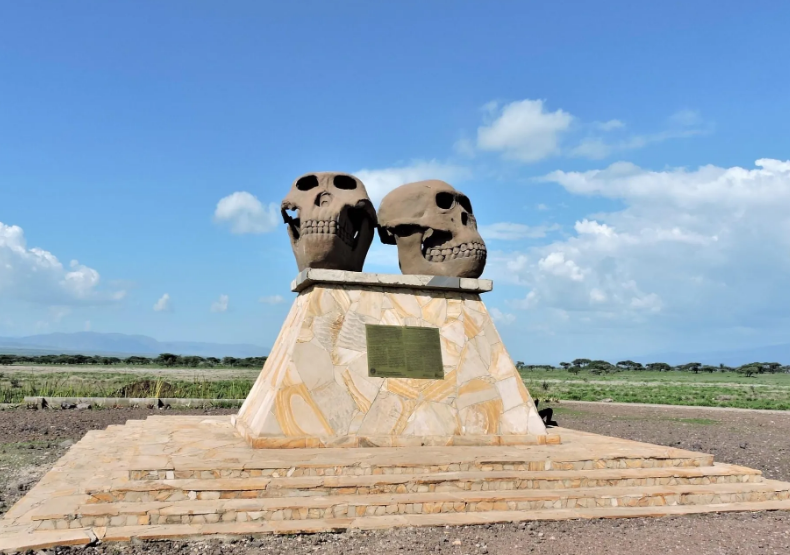
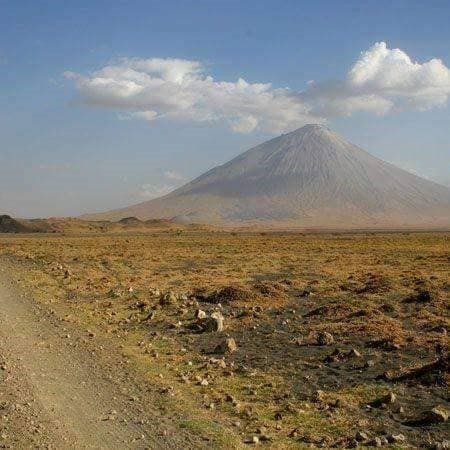
Discover the fascinating history of human origins with the 2-Day Olduvai Gorge Tour Tanzania – Archaeological History & African Safari Adventure offered by Home of Wonders Tours. This exciting Tanzania cultural and historical tour is perfect for international tourists, history enthusiasts, students, researchers, families and adventure travelers who want to explore one of the most important archaeological sites in Africa. Located in the Ngorongoro Conservation Area in northern Tanzania, Olduvai Gorge is internationally recognized for its remarkable fossil discoveries and its importance in understanding human evolution and early human history. During your Olduvai Gorge tour, discover the fascinating story of ancient human ancestors, learn about important archaeological discoveries and explore the landscapes that have helped scientists understand the development of early humans over millions of years. Visit the Olduvai Gorge Museum, where available, to learn about fossils, prehistoric tools, archaeological research and the history of human evolution in East Africa. This two-day Tanzania historical tour offers a wonderful opportunity to combine education, cultural discovery and an unforgettable African adventure. Depending on your itinerary, you may also explore the surrounding Ngorongoro Conservation Area, admire spectacular volcanic landscapes and experience the beauty of Tanzania’s natural environment. Travelers interested in Tanzania archaeological tours, Olduvai Gorge excursions, human evolution tours, prehistoric history, cultural experiences and northern Tanzania safari packages will find this journey especially rewarding. Home of Wonders Tours welcomes visitors from the United States, United Kingdom, Europe, Canada, Australia and other international destinations who want to discover Tanzania beyond traditional wildlife safaris. Whether you are searching for a 2-day Olduvai Gorge tour, an Olduvai Gorge archaeological adventure, a Tanzania cultural tour, a historical excursion from Arusha or a customized northern Tanzania holiday package, our team can help organize an experience suited to your interests, travel schedule and budget. As a local Tanzania tour operator, we aim to provide personalized travel planning, friendly customer service, knowledgeable guiding and comfortable transportation according to your selected package. If you are searching online for the best tour operator in Tanzania, a reliable Tanzania tour company or a trusted local operator for cultural and historical adventures, Home of Wonders Tours is ready to assist you. This Olduvai Gorge adventure is also an excellent option for travelers combining cultural tourism with a broader Tanzania safari to destinations such as Ngorongoro Crater, Serengeti National Park and other attractions in northern Tanzania. You can ask our team about adding wildlife game drives, cultural experiences or scenic stops where appropriate for your itinerary. Discover the importance of Olduvai Gorge in the story of human evolution, learn about the archaeological heritage of Tanzania and enjoy an educational journey through one of Africa’s most fascinating historical landscapes. Whether you are passionate about archaeology, anthropology, prehistoric discoveries, African history or cultural tourism, this experience offers a memorable way to explore Tanzania’s rich natural and historical heritage. Contact Home of Wonders Tours today to request your personalized 2-day Olduvai Gorge tour itinerary, confirm the activities included in your package and receive a quotation for your Tanzania cultural adventure. Let us help you plan an inspiring African journey combining history, discovery and the remarkable landscapes of northern Tanzania
A two-day excursion to Olduvai Gorge with Home of Wonders Tours offers travelers a deeper and more immersive exploration of one of the world’s most significant archaeological and cultural sites. Known as the “Cradle of Mankind,” Olduvai Gorge is a place where the earliest traces of human evolution were discovered, making it a site of global historical importance. Over two days, visitors have the time not only to witness the remarkable fossil sites but also to engage with the surrounding landscapes and cultures that have shaped this region. On the first day, the journey begins with a scenic drive from Arusha, traversing the expansive plains of the Great Rift Valley. Upon arrival at Olduvai Gorge, travelers visit the renowned Olduvai Gorge Museum, established by paleoanthropologist Mary Leakey. The museum provides a fascinating introduction to the archaeological discoveries, from ancient stone tools to early hominid fossils, narrated by professional guides who bring the story of early human life to life. The remainder of the day allows for leisurely exploration of the gorge itself, with opportunities for photography, nature appreciation, and reflection on the profound history embedded in the landscape. The second day offers a continuation of discovery and cultural engagement. Travelers can revisit key fossil sites or explore surrounding geological formations, gaining a deeper understanding of the region’s natural history. Some itineraries include visits to nearby Maasai villages, providing insight into the vibrant traditions and daily lives of the local communities. This combination of history, nature, and culture ensures a rich, educational, and memorable experience. Throughout the tour, Home of Wonders Tours ensures comfort and convenience with hotel pick-up and drop-off, professional guiding, and carefully arranged meals or refreshments. The two-day schedule allows for a pace that balances learning with relaxation, giving travelers time to fully absorb the significance of Olduvai Gorge and the breathtaking scenery of Tanzania’s Great Rift Valley.
Price: From $624.00 / person
Your adventure begins at 7:00 AM when your driver-guide picks you up from your hotel in Arusha. After a quick briefing about the journey ahead, you will depart the bustling city and head west on the paved Arusha-Nairobi highway.
Around 8:45 AM, you will make a brief stop at Makuyuni Market, a lively roadside trading post where Maasai women sell colorful beads and fresh produce. This is your last chance for a restroom break before entering the highlands.
By 10:00 AM, you will reach the turning point near Lake Manyara gate. Here, your driver will refuel the vehicle, and you can stretch your legs while watching groups of baboons loitering near the roadside.
The most dramatic part of the drive begins as your vehicle starts climbing the steep escarpment of the Great Rift Valley. The road winds upward through lush tropical forest, and around every turn, you get sweeping views of Lake Manyara shimmering far below. The air becomes cooler and fresher as you gain elevation.
Hint: Sit on the left side of the vehicle for the best views of Lake Manyara during the climb.
By noon, you will arrive at the entrance gate of the Ngorongoro Conservation Area. Your guide will handle all permit registrations while you admire the well-maintained gardens and information boards at the gate.
Shortly after passing through the gate, you will continue climbing toward the crater rim. At around 12:30 PM, you will reach the world-famous Ngorongoro Crater Viewpoint. Step out of the vehicle and prepare to be speechless. From this vantage point, the entire 265-square-kilometer caldera stretches before you like a lost world. If the morning clouds have cleared, you can see the sparkling soda lake on the crater floor, the dense Lerai Forest, and even tiny specks that are buffalo or elephant herds moving below.
Hint: Arrive at the viewpoint before 11:00 AM for the clearest views before afternoon clouds roll in.
By 1:30 PM, you will check into your chosen accommodation on the crater rim. Options range from luxury lodges like Ngorongoro Sopa Lodge (with spectacular balcony views), to mid-range options like Rhino Lodge (cozy fireplaces and a more intimate feel), or budget-friendly Simba Campsite (for adventurous travelers who enjoy camping under the stars).
Lunch is served at your lodge, typically a buffet featuring both Tanzanian dishes and international favorites.
After lunch, you have two choices. The more active option is a guided nature walk along the crater rim. A ranger will lead you through the montane forest that edges the caldera, pointing out birds, monkeys, and explaining how the forest ecosystem supports wildlife living on the rim. This walk lasts about 90 minutes and covers easy terrain.
The more relaxed option is to simply sit on your lodge's terrace, sip a cup of Kenyan tea, and watch the clouds drift across the crater below. Many travelers use this afternoon to rest before the next day's explorations.
As the sun begins to set around 6:30 PM, the crater walls glow orange and gold. The temperature drops quickly, and you will be grateful for the warm jacket you packed. Dinner is served at 7:00 PM.
Hint: Pack thermal underwear, a fleece jacket, and a beanie hat. Nighttime temperatures on the crater rim often drop to 7°C (45°F) or lower.
Wake up early today. Breakfast is served from 6:00 AM, and you should eat heartily because lunch will be a picnic enjoyed on the road. By 7:00 AM, you will check out of your lodge, load your luggage into the safari vehicle, and begin driving southeast toward the Serengeti plains.
Hint: Inquire about a packed picnic breakfast if you want to maximize morning wildlife viewing on the crater rim before departing.
Around 8:45 AM, the landscape changes dramatically. The lush forests of the crater rim give way to vast, open grasslands that stretch to the horizon. Suddenly, a deep gash appears across the plains – this is Olduvai Gorge.
The gorge is about 50 kilometers long and up to 100 meters deep in some places. It looks like a wound cut into the earth, but within its layered walls lies the story of human evolution spanning nearly 2 million years.
Your first stop is the Olduvai Gorge Museum, a small but world-class facility built directly into the gorge rim. The museum is divided into several sections. The first hall explains the geology of the gorge and how volcanic ash layers have preserved fossils perfectly over millennia. Models show how the landscape changed from dense forest to open savanna, which pushed our ancestors to walk upright.
The next room contains exact replicas of the most famous fossils found here. You will see the skull of Zinjanthropus boisei (nicknamed "Nutcracker Man" for his massive jaw and teeth), discovered by Mary Leakey in 1959. Nearby is a replica of Homo habilis fossils – the first true human ancestor who made stone tools. The museum also displays fossilized animal bones from extinct species like the giant buffalo and an elephant with four tusks.
Hint: Hire a local guide at the museum (small additional fee) who will take you inside the museum and then down into the actual gorge. Their stories of working with the Leakey family are unforgettable.
After touring the museum, you will walk down a path that descends into the gorge itself. A ranger-guide will lead you to the actual excavation trenches, marked by wooden stakes and strings.
The first major site you will visit is FLK (Frida Leakey Korongo). This is the exact spot where Mary Leakey found the Zinjanthropus skull. As you stand at the trench edge, imagine the moment of discovery. The guide will show you the different colored layers of sediment and explain how each layer represents a different time period.
Next, you will walk to Site BK (Bone Korongo). Here, archaeologists found hundreds of animal bones alongside stone tools – evidence that early humans were butchering animals. Some bones show cut marks made by sharp stone flakes. This is some of the oldest evidence of meat-eating in the human lineage.
The guide will pick up stones from the ground and show you how early humans made hand axes by striking flakes off a core. You might even be allowed to hold a replica tool and try to imagine the skill required to make it.
Hint: Wear sturdy closed-toe shoes. The path into the gorge is rocky and can be slippery. Bring a hat and sunscreen – there is no shade once you descend.
If time permits (and if your driver agrees), you can make a 20-minute detour from Olduvai Gorge to see the Shifting Sands. This is a strange geological phenomenon where crescent-shaped dunes made of volcanic ash slowly migrate across the plain. The sands move about 15 to 20 meters per year, pushed by prevailing winds. Ancient Maasai legends say these dunes are cursed or magical. A small sign marks the spot where the dunes were located when first measured in the 1960s – they are now hundreds of meters away.
Around 12:30 PM, your guide will find a beautiful spot – perhaps under a lone acacia tree or at a picnic site with views across the plains – where you will enjoy your packed lunch. Listen to the silence of the savanna, broken only by the wind and distant bird calls.
Hint: Keep your camera nearby during lunch. Giraffes, zebras, and ostriches sometimes wander close to picnic spots.
By 1:30 PM, you will begin the drive back toward Arusha. The road retraces your route from the previous day, but the afternoon light transforms the landscape. You will descend the Rift Valley escarpment with Lake Manyara glowing below you.
You will arrive back in Arusha between 5:00 PM and 6:00 PM, depending on traffic and road conditions. Your driver will drop you at your hotel or at Kilimanjaro International Airport if you have an evening flight.
24 HRS
07:00 AM - 06:00 PM
06:00 AM - 08:00 PM
Payment Accepted

 Cookies Consent
We use cookies to enhance your experience on our website. By continuing to browse, you agree to our use of cookies.